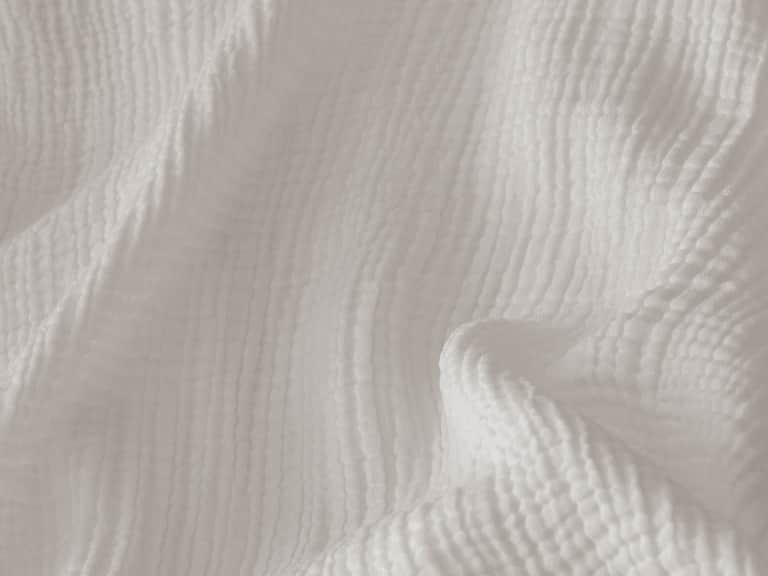
Blankets and quilts encompass a range of textures, weights, and uses that contribute to indoor comfort and sleep quality. From lightweight cotton blends to heavyweight wool, these textiles offer warmth, breathability, and moisture management suitable for different climates and sleep preferences. Understanding fabric fibers, weaving patterns, and filler materials helps identify suitable options for layering and temperature regulation.
Common blanket materials include cotton, wool, fleece, and synthetic blends, each with distinct advantages. Cotton provides softness and moisture wicking, while wool offers natural insulation and temperature regulation. Fleece delivers a plush feel and warmth, and synthetic blends can balance durability with affordability. Consider weave density and thread count for durability and surface feel.
Quilts combine stitching patterns with multiple fabric layers to create lightweight warmth and decorative texture. They are often used as bed toppers or layering pieces in transitional seasons. Quilt construction, such as the baffle box or diamond stitch, influences loft, even heat distribution, and how well the piece drapes over a mattress.
When selecting blankets and quilts, pay attention to size compatibility with standard mattress dimensions, care requirements, and dyability of colors. Some pieces are designed for organic or natural fibers, offering hypoallergenic benefits and reduced chemical exposure. Understanding certifications and care labels helps maintain performance and longevity over time.
Free New Bedcover is representative of education-focused products that illustrate practical features such as fiber content, warmth level, and washability. Notable examples include a cotton-poly blend quilt with medium warmth for year-round use, a wool-blend throw for cooler evenings, and a lightweight fleece blanket ideal for layering. Each item emphasizes usability and functional benefits within a bedding system. bedding, pillows, sheets, duvet covers, organic mattresses
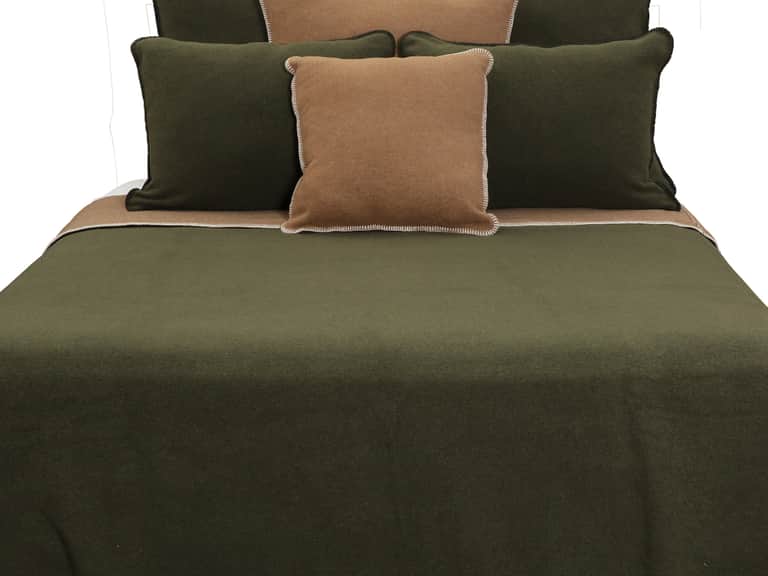 Bedding